
For association committees and property managers
Apartment building facade repairs: what an association should know before work starts
Repairing an apartment building facade is often a significant investment. Before voting or choosing a contractor, a homeowners’ association needs to know what will actually be repaired, why the work is necessary and what the quotation includes.
Price matters, but two quotations may not be comparable without a clearly defined scope. It is therefore useful for the committee, housing cooperative or property manager to prepare a common brief, clarify uncertainties and then assess the proposed solutions. Good preparation also makes communication with owners and residents easier.
Start by establishing the facade’s actual condition
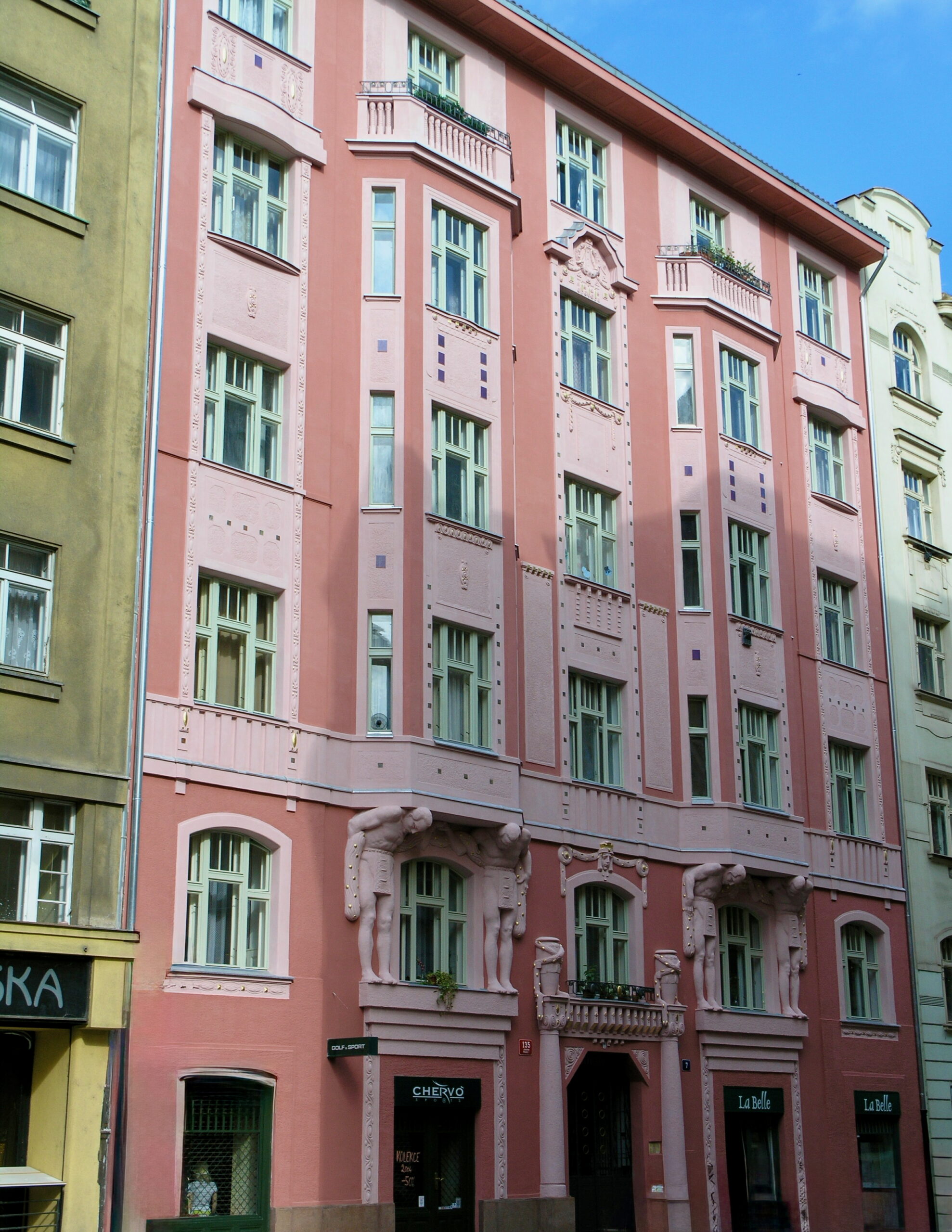
Decisions should be based on a property inspection. Cracks, loose render, deteriorated paint, signs of damp and soiling should be recorded. The distinction between an individual damaged spot and a widespread defect is important. Similar appearances in photographs do not necessarily indicate the same condition beneath the surface.
The inspection should also cover window surrounds, the plinth, cornices and other connections where present. Street and courtyard elevations may have different conditions and repair histories. Information from the manager and older records can help establish whether damage is new or repeatedly returns.
The outcome should be a clear description of the defects, their possible connections and areas requiring further investigation. The committee does not need to specify the method itself. It does, however, need to understand the basis of the proposal and what remains unknown. Unclear structural defects may require additional specialist assessment.
Local repairs or restoration of the entire facade?
A local intervention may be suitable when damage is limited and the surrounding layers remain usable. Wider renewal makes sense where defects affect a larger surface area, several layers or related details. Comprehensive restoration is not an automatic answer to every crack or soiled area.
The decision should consider the technical condition, the cause of damage and how activities relate to one another. Sometimes sound areas can be retained and only problematic sections renewed; in other cases, repeated local repairs would leave a shared cause unresolved. The contractor should explain the recommended scope and its assumptions.
Where several viable options exist, it is useful to present them with the same supporting information and an explanation of their differences. Owners can then distinguish necessary repairs from subsequent improvements to appearance or more extensive renewal. Options should also explain differences in site organisation, rather than only comparing final amounts.
What should a facade repair quotation include?
A clear quotation should make it possible to check what will be done and under what conditions. Before choosing a contractor, it should clarify the following points:
- Defined scope: which parts of the property and areas the project covers.
- Individual activities: removal of defective layers, repairs, renewal of details and the final treatment.
- Proposed solution: the material system and its compatibility with the existing substrate.
- Substrate preparation: what will be retained, removed or investigated.
- Associated costs: access, scaffolding, protection, handling and cleaning appropriate to the project.
- Schedule: the anticipated sequence and conditions that may affect it.
- Handover: inspection of completed work, documentation and resolution of outstanding items.
In addition to price, exclusions and assumptions matter. If an area cannot be adequately investigated before work starts, the quotation should explain how any adjustment to the scope will be documented and approved. An uncertain item should not remain hidden behind a general description such as “complete repair”.
For an owners’ meeting, it is useful to prepare a short summary of the condition, proposed scope, costs and outstanding questions. Detailed quotations should be available as supporting information. This separates the description of the problem from contractor selection and helps owners understand what they are approving.
Why comparing only the price per square metre can be misleading
Two quotations for the same area can include different substrate preparation, repairs to damaged sections and associated activities. One may include renewal of details and scaffolding, while another covers only a new surface. Their unit prices then do not describe the same outcome, even if the project names sound similar.
For a complex elevation, area alone may not reflect the work around windows, cornices or decorative features. Individual items, scope and assumptions need comparison. A missing activity should be added or clearly explained before the decision, rather than simply assumed to be included.
The article How much does facade restoration cost? explains the main cost factors. For an association, the essential document is a quotation reflecting the actual condition of the particular property. A general figure per square metre may offer an initial indication, but cannot replace a technical brief or a breakdown of total costs.
How will repairs affect residents?
Work affects the everyday use of the building. Scaffolding or another access arrangement changes the space beside the facade, some activities produce noise and dust, and work around windows requires coordination with residents. Organisation should also address workers’ movement, delivery of materials, protection of surrounding areas and access to entrances.
Resident information should include an initial announcement and updates about particular stages. A general message that “the facade will be repaired” is not enough when work moves to a specific group of windows or into the courtyard. Actual restrictions and instructions need to follow the agreed method.
The committee should identify a contact person and a way of exchanging information between the building and contractor. This reduces the risk of simultaneous, conflicting instructions from different owners. Residents also need to know whom to report a problem to and who handles organisational changes. No universal timing or duration of disruption can be promised for every property.
When should repairs be combined with cleaning or repainting?
After local repairs, it may be practical to give a continuous area a consistent finish if the new and original surfaces look different. On another building, soiling or worn paint may be the main issue while the substrate remains usable. These situations need to be distinguished from extensive render damage.
Facade cleaning and repainting must follow the condition assessment. New paint alone will not resolve an unsound substrate, incoming moisture or the cause of cracks. Where activities are combined, the quotation should define preparation, repairs and the finishing treatment so the purpose of each step is clear.
What if the building has a historic facade?
An articulated elevation with original render, decorative plasterwork or ornaments requires more sensitive preparation. Individual features, their materials and connections need assessment. The scope cannot be inferred solely from the total area or from a quotation intended for a simple wall without details.
For this type of property, requirements associated with its character and any protected status should be checked early. The historic facade restoration page explains the basic considerations. The committee should seek a solution appropriate to the building and distinguish ordinary surface work from restoration of valuable decorative features.
How to choose a facade repair contractor
Selection should consider experience with the relevant building type, the ability to assess its condition and a clearly defined scope. References, communication, the anticipated schedule and allocation of responsibilities matter too. A presentation of materials or a low final amount alone does not adequately demonstrate these capabilities.
When checking references, look for similarities: substrate type, architectural complexity, working around an occupied building and handling details. The committee can also ask about communication and handover. The aim is not to find the longest list of projects, but to verify experience relevant to the proposed work.
Before commissioning work, clarify who will manage the project, how changes will be recorded and how additional work will be approved. Good communication means a technical question has a clear recipient and decisions can be traced. For a larger intervention, the client may also consider independent technical supervision according to the building’s needs.
A checklist for the committee before making a decision
These questions can be used when preparing the project and comparing quotations. For each one, the committee should know who will provide the answer and whether it is documented:
- Do we have a description of the actual condition and a record of damaged areas?
- Do we understand the causes and know what still needs specialist investigation?
- Is the reason for recommending local repairs or wider restoration explained?
- Are we comparing the same scope of preparation, repairs and finishing layers?
- Are associated costs, exclusions and price assumptions clear?
- Do we know how changes after exposing the substrate will be documented and approved?
- Do we have an expected schedule and an overview of restrictions for residents?
- Are contact people identified for both the association and contractor, with an agreed communication method?
- Are completion checks, documentation and the handover process agreed?
The checklist need not become another complicated document. Its purpose is to ensure important questions do not remain solely in verbal discussions. The same information can serve the committee, manager and owners, and help maintain continuity with decisions made before construction.
Planning facade repairs for an apartment building in Prague?
PRACOM focuses on repairs and restoration of apartment building facades in Prague. After an inspection, the necessary scope can be established and a quotation prepared to reflect the building’s actual condition. Further information about the next steps is available on the working with associations, cooperatives and property managers page.
For the first enquiry, prepare the address, a short description of the condition and any available records. The committee does not need to know the final method in advance. The important step is to start with assessment so further decisions have a clear technical basis.